 InspectorData
Home Inspection AI Software in Connecticut
Typing up findings after every inspection is the slowest part of the job.
Across Connecticut, cold winters, coastal storms, and radon exposure shape what inspectors find — and what insurers ask for. InspectorData helps you document and report it faster.
Connecticut licenses home inspectors.
In Connecticut, 4-point inspections come up often — and InspectorData includes templates for them with AI photo analysis built in.
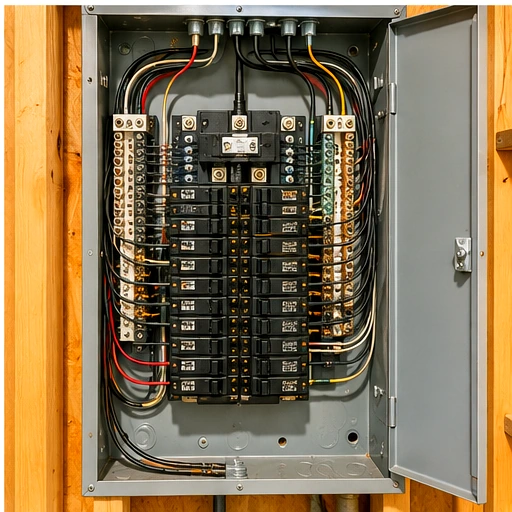
Connecticut licenses home inspectors through the Department of Consumer Protection's Home Inspection Licensing Board (intern-to-licensed path, the NHIE, 20 CE hours every two years) over very old, heavily oil-heated housing — where the pyrrhotite 'crumbling foundation' crisis, high radon, cold-winter ice dams, and Long Island Sound storms define demand.
Is a license required to inspect homes in Connecticut?
Yes. The Connecticut Department of Consumer Protection (DCP), through the Home Inspection Licensing Board, licenses inspectors under CGS Chapter 400f. A new inspector starts with an intern permit (a high school diploma, a board-approved training program, and a licensed supervisor), then qualifies for a license by completing at least 100 inspections under direct supervision (or 200 paid inspections over at least a year), passing the competency exam (the NHIE), and paying the fee.
Continuing education and renewal
Inspectors complete 20 continuing-education hours per two-year cycle, including at least 3 hours on current home-inspection laws and regulations, with the cycle running April 1 of an odd-numbered year through March 31 two years later.
Standards of practice
Connecticut's regulations set a minimum, uniform standard covering structural components, exterior, roof, plumbing (including fuel storage and distribution), electrical (including GFCIs), heating, and cooling. The explicit 'fuel storage' language is directly relevant to the state's prevalence of oil tanks.
The inspections Connecticut buyers actually need
Radon testing is common in transactions (about one in three Connecticut homes exceed the action level). Pyrrhotite/crumbling-concrete foundation evaluation is a distinctive Connecticut concern — visual inspection by a licensed professional engineer plus, often, core testing — and oil-tank inspection (above-ground and legacy buried tanks) is routine given the state's heavy reliance on oil heat. Coastal storm and ice-dam findings round out winter demand.
Climate and regional inspection drivers
Cold winters drive ice dams — snowmelt refreezing at the eaves forces water under shingles into ceilings and walls — and freeze-thaw stresses foundations and masonry. Long Island Sound brings coastal storm surge and flooding to dense coastal development.
The signature Connecticut hazard is pyrrhotite: a mineral in concrete aggregate that oxidizes and expands, cracking foundations. As many as roughly 35,000 homes and buildings — with foundations poured between about 1983 and 2015, concentrated in central and eastern Connecticut near Stafford Springs — are affected, and the state runs testing-reimbursement and foundation-replacement assistance programs. Radon is geologically elevated statewide.
Housing stock
Connecticut has among the oldest housing stock in the country — a median build year around 1966, with roughly two-thirds of units built before 1980 — and about 35% of households heat with oil (one of the highest shares nationally), so legacy oil tanks and aging systems are common findings, on top of the pyrrhotite foundation risk in affected areas.
How InspectorData helps Connecticut inspectors
- ✓AI photo analysis auto-categorizes foundation, oil-tank, and ice-dam photos by system and drafts the comments.
- ✓Keeps reports consistent with the DCP/RCSA standards, including fuel-storage items.
- ✓Documents pyrrhotite-foundation, radon, and storm findings fast — photos in, finished draft out.
- ✓Flat $69.99/mo with a 90-day free trial — no per-report or per-inspection fees.
Connecticut associations & continuing education
Home inspection in Connecticut: FAQ
- How do I become a licensed home inspector in Connecticut?
- Get a DCP intern permit (HS diploma + board-approved training + a licensed supervisor), complete at least 100 supervised inspections (or 200 paid inspections over at least a year), pass the competency exam (NHIE), and pay the license fee.
- Should a Connecticut buyer get radon and foundation testing?
- Yes — DPH recommends radon testing statewide (about 1 in 3 homes exceed the action level), and in central/eastern Connecticut homes built roughly 1983–2015 should be evaluated for pyrrhotite; the state reimburses part of the testing.
- Why are oil tanks a big inspection issue in Connecticut?
- About 35% of Connecticut homes heat with oil atop very old housing, so above-ground and legacy buried oil storage tanks — explicitly within the standards' 'fuel storage' scope — are common findings.
Sources
- https://www.cga.ct.gov/current/pub/Chap_400f.htm
- https://portal.ct.gov/dcp/continuing-education/home-inspector---continuing-education
- https://portal.ct.gov/deep/geology/pyrrhotite-and-crumbling-concrete
- https://portal.ct.gov/dph/environmental-health/radon/radon-program
- https://ctmirror.org/2024/07/19/ct-among-states-with-lowest-share-of-housing-built-in-21st-century/
Last verified: 2026-05-27
Frequently asked questions
- What is AI photo analysis in home inspection software?
- AI photo analysis uses artificial intelligence to look at inspection photos, auto-categorize each by home system, and generate a professional defect comment — turning hours of report writing into minutes.
- Does InspectorData really analyze my photos with AI?
- Yes. InspectorData is the only home inspection software with true AI photo analysis that auto-categorizes photos and drafts comments, for $69.99/month flat.
See AI photo analysis on your next inspection.
Try InspectorData free for 90 days. Full access, no card required.
Start free trial