 InspectorData
Home Inspection AI Software in Massachusetts
The report — not the inspection — is where inspectors lose time.
Across Massachusetts, cold winters, coastal storms, and radon shape what inspectors find — and what insurers ask for. InspectorData helps you document and report it faster.
Massachusetts licenses home inspectors.
In Massachusetts, 4-point inspections come up often — and InspectorData includes templates for them with AI photo analysis built in.
Massachusetts licenses home inspectors through the Board of Registration of Home Inspectors using a distinctive apprentice-to-associate-to-full path with 266 CMR standards — and very old housing, harsh winters with ice dams, elevated radon, and Title 5 septic transfer rules drive strong demand.
Is a license required to inspect homes in Massachusetts?
Yes, and the path is tiered. The Board of Registration of Home Inspectors (under the Division of Occupational Licensure) licenses inspectors under 266 CMR. A new inspector first works as an Associate Home Inspector — completing approved training and supervised inspections and carrying at least $250,000 in errors-and-omissions insurance.
To reach full Home Inspector status, an Associate must serve at least one year, perform additional supervised paid inspections, and pass the National Home Inspector Examination (passing score 500).
Continuing education and renewal
Licenses renew every two years with at least 12 continuing-education hours per cycle, of which at least 4 must address the 266 CMR regulations and standards of practice and at least 1 must address professional ethics.
Standards of practice
Massachusetts standards (266 CMR 6.00) require inspecting nine systems — roofing, exterior, structure, electrical, plumbing, heating, cooling, interior, and insulation and ventilation — with defined exclusions (for example, inspectors may not insert tools into electrical panels and need not test heat exchangers).
The inspections Massachusetts buyers actually need
Radon testing is in strong demand — about one in four Massachusetts homes may exceed the EPA action level. Older-stock issues (knob-and-tube wiring, lead paint, plaster, insufficient insulation) and oil heat with tank assessment are common, and ice-dam roof and attic evaluations are seasonally significant. Title 5 septic inspections — a separate, state-certified inspection — are routinely required at transfer for homes on septic.
Climate and regional inspection drivers
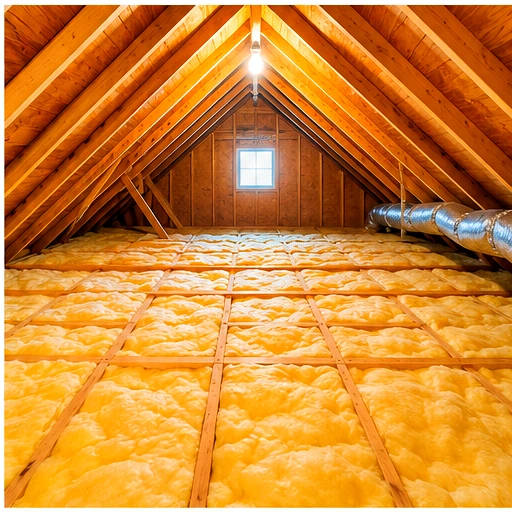
New England winters drive repeated freeze-thaw and ice dams: snowmelt refreezes at roof eaves and forces water into the home, so attic insulation and ventilation are key findings. Atlantic Nor'easters bring heavy snow, high winds, and coastal erosion.
Geologic conditions place much of the state in EPA radon Zones 1 and 2, and in some counties post-2015 one- and two-family homes must include a passive radon-mitigation system under the building code.
Housing stock
Massachusetts has among the oldest housing stock in the country, with a median build year around 1963. Knob-and-tube wiring is common in pre-1950 homes, oil heat remains heavily used, and plaster walls and lead paint are typical in pre-war homes.
How InspectorData helps Massachusetts inspectors
- ✓AI photo analysis auto-categorizes ice-dam, old-wiring, and oil-heat photos by system and drafts the comments.
- ✓Keeps reports consistent with the 266 CMR standards of practice.
- ✓Documents aging-system and freeze-thaw findings fast — photos in, finished draft out.
- ✓Flat $69.99/mo with a 90-day free trial — no per-report or per-inspection fees.
Massachusetts associations & continuing education
Home inspection in Massachusetts: FAQ
- What are the tiers of home-inspector licensing in Massachusetts?
- Supervised trainee inspections, then Associate Home Inspector (approved training, supervised inspections, and $250,000 E&O insurance), then full Home Inspector after at least one year as an Associate, more supervised paid inspections, and passing the NHIE.
- Is a radon test part of a Massachusetts home inspection?
- Not automatically, but it's in high demand — about one in four Massachusetts homes may exceed the EPA action level of 4 pCi/L, and parts of the state are in EPA high/moderate radon zones.
- Do I need a septic (Title 5) inspection when selling a Massachusetts home?
- If the property is on a septic system, MassDEP Title 5 generally requires a passing inspection before transfer — within two years before the sale — which is a separate inspection from the standard home inspection.
Sources
- https://www.mass.gov/orgs/board-of-registration-of-home-inspectors
- https://www.mass.gov/regulations/266-CMR-600-standards-of-practice
- https://www.law.cornell.edu/regulations/massachusetts/266-CMR-5-01
- https://www.mass.gov/guides/buying-or-selling-property-with-a-septic-system
- https://www.mass.gov/info-details/radon-get-the-facts
Last verified: 2026-05-27
Frequently asked questions
- What is AI photo analysis in home inspection software?
- AI photo analysis uses artificial intelligence to look at inspection photos, auto-categorize each by home system, and generate a professional defect comment — turning hours of report writing into minutes.
- Does InspectorData really analyze my photos with AI?
- Yes. InspectorData is the only home inspection software with true AI photo analysis that auto-categorizes photos and drafts comments, for $69.99/month flat.
Cities in Massachusetts
Write reports in minutes, not hours.
Try InspectorData free for 90 days. Full access, no card required.
Start free trial