 InspectorData
Home Inspection AI Software in Utah
Most inspectors lose hours every week to report writing.
Across Utah, dry heat, freeze-thaw cycles, and radon shape what inspectors find — and what insurers ask for. InspectorData helps you document and report it faster.
Utah introduced a mandatory home-inspector license effective 2026.
In Utah, 4-point inspections come up often — and InspectorData includes templates for them with AI photo analysis built in.
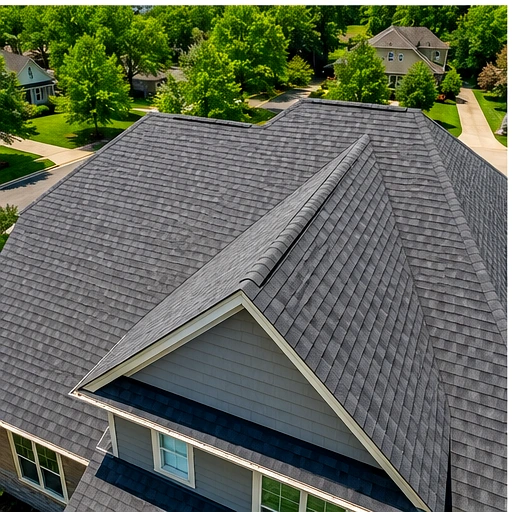
Utah shifted from one of the last unregulated states to mandatory 'Private Home Inspector' licensing under DOPL (HB 58, effective May 1, 2026) — requiring national certification and $500,000 each of general liability and E&O insurance — in a market shaped by Wasatch Front seismic risk, unreinforced masonry, expansive and collapsible soils, and high radon.
Is a license required to inspect homes in Utah?
Yes, as of 2026. Utah was historically unregulated, but House Bill 58 created a mandatory 'Private Home Inspector' license under Utah Code §58-56-9, administered by the Division of Professional Licensing (DOPL), with applications and enforcement effective May 1, 2026.
Licensure requires a current national certification from ASHI, InterNACHI, or as an ICC Residential Combination Inspector, plus general liability and errors-and-omissions insurance of at least $500,000 each, with DOPL named as certificate holder.
Standards of practice
Because licensure requires current national certification, the operative standards in Utah are the certifying bodies' Standards of Practice and Codes of Ethics — for example the InterNACHI or ASHI standards. (Continuing-education and renewal specifics for the new license are being established under DOPL rulemaking.)
The inspections Utah buyers actually need
Radon testing is in very high demand — roughly one in three Utah homes have elevated radon. Foundation and structural evaluation matters given expansive and collapsible soils, and seismic and unreinforced-masonry assessments are common for pre-1970s homes on the Wasatch Front.
Climate and regional inspection drivers
The Wasatch Fault dominates seismic risk — roughly a 43% chance of a magnitude-6.75-or-greater quake in the next 50 years — so foundation anchoring and unreinforced-masonry vulnerability are key concerns; Salt Lake City runs a 'Fix the Bricks' retrofit program for URM homes.
Utah's expansive clay soils swell and shrink with moisture, while collapsible soils on young alluvial fans settle when wetted — both crack light residential foundations. Radon is widespread from uranium-bearing soils, and the dry, high-altitude, freeze-thaw climate stresses exteriors and roofing.
Housing stock
The Wasatch Front (Salt Lake and Utah counties) is the dominant building market, adding thousands of new units a year, and basements are common — relevant to radon and foundation/soil inspection. Older pre-1970s unreinforced-masonry homes are a major seismic-safety concern.
How InspectorData helps Utah inspectors
- ✓AI photo analysis auto-categorizes foundation, masonry, and radon-entry photos by system and drafts the comments.
- ✓Keeps reports consistent with your ASHI/InterNACHI/ICC standard as the new DOPL license requires.
- ✓Documents expansive-soil, seismic, and radon findings fast — photos in, finished draft out.
- ✓Flat $69.99/mo with a 90-day free trial — no per-report or per-inspection fees.
Utah associations & continuing education
Home inspection in Utah: FAQ
- Do I need a license to inspect homes in Utah?
- Yes, as of the May 1, 2026 effective date. Utah was historically unlicensed, but HB 58 created the mandatory DOPL Private Home Inspector license under Utah Code §58-56-9.
- What do I need to get licensed in Utah?
- A current national certification (ASHI, InterNACHI, or ICC Residential Combination Inspector) plus $500,000 each of general liability and E&O insurance, with DOPL named as certificate holder.
- Why is radon and foundation inspection in high demand in Utah?
- Roughly one in three Utah homes have elevated radon, and Utah's expansive and collapsible 'problem soils' plus Wasatch Front seismic risk make foundation and structural concerns common.
Sources
- https://commerce.utah.gov/dopl/building-inspector/apply-for-a-license/private-home-inspector/
- https://www.law.cornell.edu/regulations/utah/Utah-Admin-Code-R156-56-302
- https://deq.utah.gov/waste-management-and-radiation-control/radon
- https://geology.utah.gov/hazards/problem-soils/
- https://earthquakes.utah.gov/unreinforced-masonry/
Last verified: 2026-05-27
Frequently asked questions
- What is AI photo analysis in home inspection software?
- AI photo analysis uses artificial intelligence to look at inspection photos, auto-categorize each by home system, and generate a professional defect comment — turning hours of report writing into minutes.
- Does InspectorData really analyze my photos with AI?
- Yes. InspectorData is the only home inspection software with true AI photo analysis that auto-categorizes photos and drafts comments, for $69.99/month flat.
Stop typing reports. Let AI do it.
Try InspectorData free for 90 days. Full access, no card required.
Start free trial